
Debunking Myths: CNC Machining vs. Traditional Fabrication
Understanding CNC Machining and Traditional Fabrication
In the world of manufacturing, the debate between CNC machining and traditional fabrication is ongoing. Both methods have their unique advantages and drawbacks, but misconceptions often cloud the understanding of their true capabilities. This blog post aims to clear up some of the common myths surrounding these two fabrication techniques.
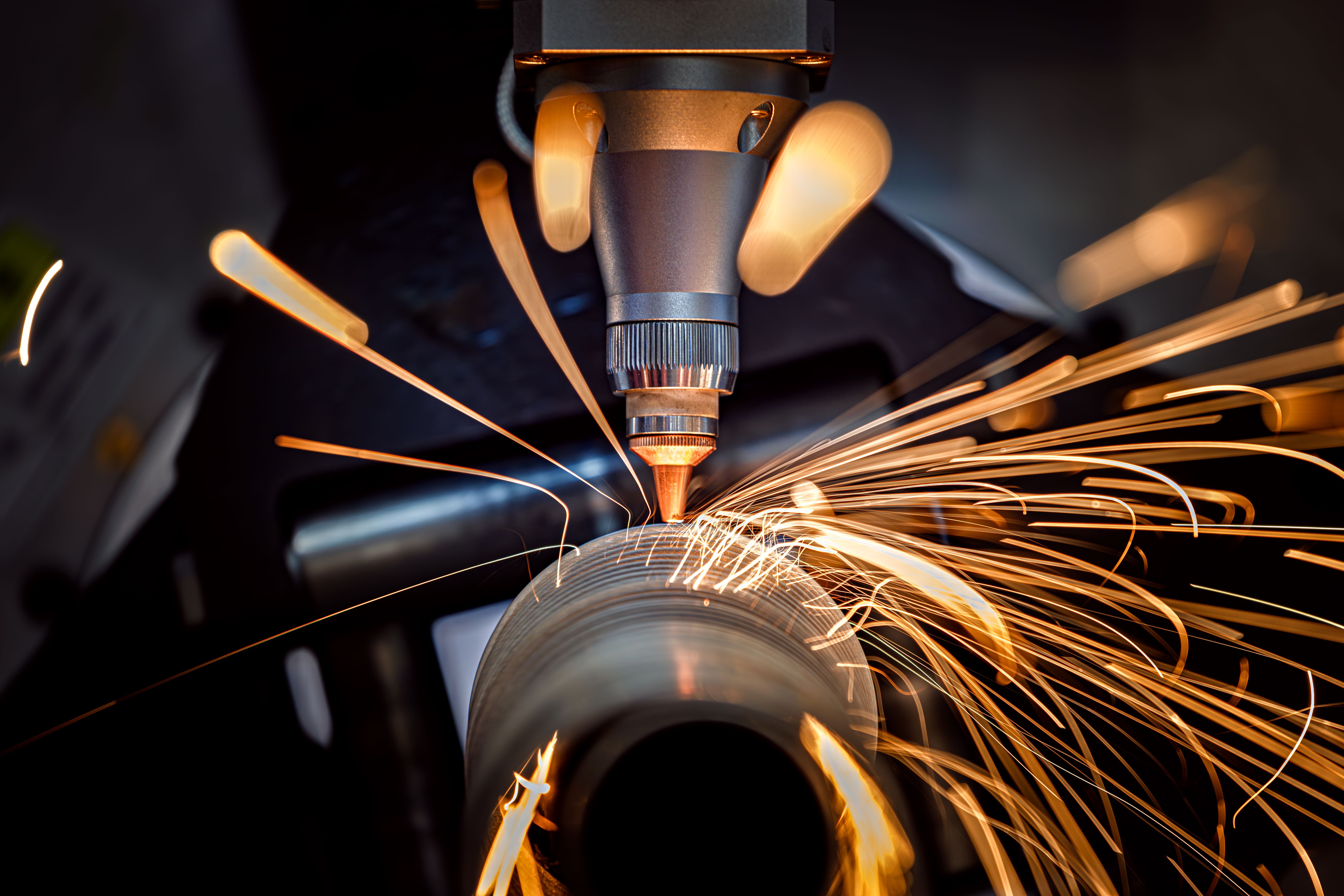
Myth 1: CNC Machining Is Only for Large-Scale Production
One of the most widespread myths is that CNC machining is suitable only for mass production. However, this couldn't be further from the truth. CNC machining is highly versatile and can be cost-effective for both small and large-scale projects. Its precision and efficiency make it an excellent choice for custom, one-off pieces and prototypes as well.
Small businesses and startups can particularly benefit from CNC machining, as it allows for rapid prototyping without the need for extensive manual labor. This flexibility enables faster turnaround times and reduces costs for custom designs.
Myth 2: Traditional Fabrication Lacks Precision
Another common misconception is that traditional fabrication methods cannot match the precision of CNC machining. While CNC machines are known for their accuracy, traditional techniques have also evolved significantly. Skilled craftsmen using manual tools can achieve high levels of precision, especially for projects that require a human touch.

Moreover, traditional fabrication often involves a combination of techniques, including welding, cutting, and bending, that can deliver detailed and intricate designs. The choice between CNC and traditional methods often depends on the specific requirements of the project.
Myth 3: CNC Machining Is Too Expensive
CNC machining is often perceived as an expensive option due to the initial investment in machinery. However, when considering long-term benefits, it can be more cost-effective. CNC machines offer higher production speeds and reduced waste, which can result in significant savings over time.
Additionally, the automation provided by CNC machines reduces the need for manual labor, which can further lower production costs. For businesses looking to scale, the efficiency of CNC machining makes it an attractive option.

Myth 4: Traditional Fabrication Is Obsolete
Some believe that traditional fabrication is a thing of the past, overshadowed by modern technologies. In reality, traditional methods remain relevant and valuable, especially in industries where customization and craftsmanship are paramount.
Traditional fabrication techniques are often used in conjunction with modern technology, blending the best of both worlds. This hybrid approach can enhance the quality and uniqueness of the final product.
Conclusion: Choosing the Right Method
Debunking these myths helps clarify the true potential of CNC machining and traditional fabrication. Each method offers unique advantages, and the choice between them should be based on the specific needs of your project. Understanding these options allows businesses to make informed decisions, optimizing both cost and quality.
In the end, the key is to evaluate the requirements, scale, and desired outcomes of your project. By leveraging the strengths of both CNC machining and traditional fabrication, manufacturers can achieve the perfect balance between precision, efficiency, and craftsmanship.